

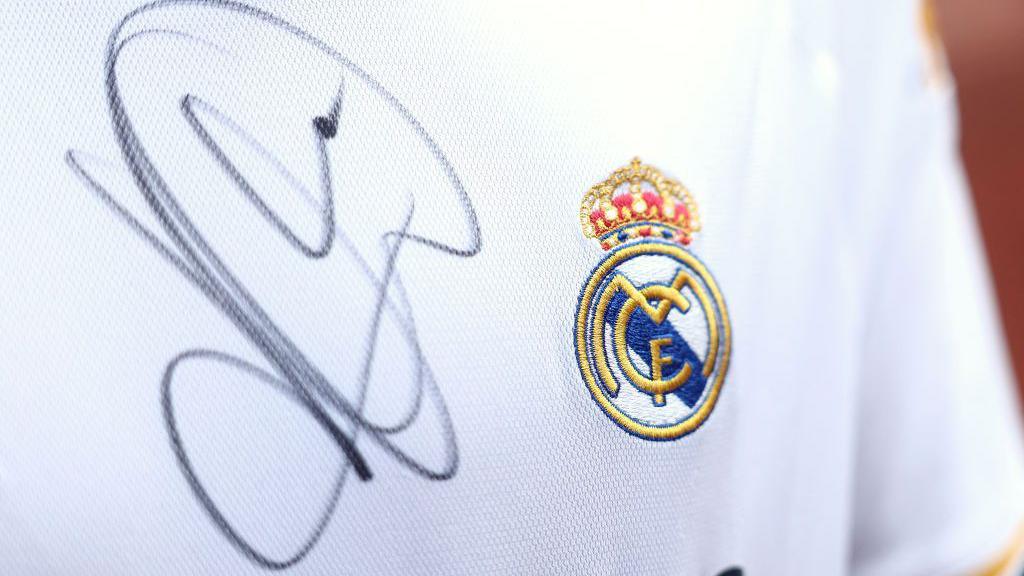
At the team's practice facility. At the traffic lights. At a petrol station. In a hotel lobby. Outside their family home.
The spots where footballers and coaches are confronted for signatures range from the ordinary and acceptable to the invasive and inappropriate.
Importantly, there exists two distinct kinds of autograph seekers. There are the authentic supporters looking for a keepsake to cherish for a lifetime, but also professional vendors building up a stockpile of merchandise to be listed for sale on the internet.
The individuals earning an income from sourcing autographs are often seasoned operators who confront players with organised packs of shirts and pictures, aiming to get as much signed as possible in a few seconds.
But what do the players who are targeted think, and are some of these encounters becoming excessive?
How Do Signature Seekers Engage With Celebrities?
When a prominent coach was filmed declining to autograph a jersey after a man approached his car recently, he justified his actions against a counter-reaction by stating he felt "vulnerable" and claimed some "fans are not doing it for the right reasons".
In another case, a celebrated manager furiously berated a group of seekers who approached him in a car park near his home, lambasting their profession and stating, "Don't come again - This is my final warning. What do you aspire to?"
The sports memorabilia industry is believed to be worth billions of pounds globally annually, underscoring the substantial wealth professional hunters can earn by consistently pursuing stars.
Clubs occasionally have to intervene and protect athletes, including banning professional hunters from conducting business near practice facilities, providing security staff at local petrol stations where seekers are aware players stop, and in certain instances helping escort them to their residences.
One well-known player was recorded instructing individuals to cease trailing him home after they had done so on consecutive days.
And earlier this month, a defender was caught on video humorously scrawling unenthusiastic signatures on a set of shirts given to him by a hunter who approached him at his vehicle's window.
"Athletes become extremely annoyed with it," says a former Premier League winner.
"I've encountered it numerous times. They wait near the broadcast studio and request that I autograph a dozen matching jerseys all at once. I challenged it recently and said 'you intend to flog these online, correct'?"
"It's so annoying that the intention is to profit out of athletes. It's up to the person to make a judgement call on the spot."
"If we say no, then the rejected individual will often verbally abuse the person who refused them and publicly shame them on social media."
"This behavior is unacceptable as authentic autograph hunters must get frustrated with these frauds who are doing it for the incorrect motives."
"Such individuals ruin the experience for kids and genuine fans."

How Do Players Feel About Commercial Dealers?
Most sportspeople are pleased to make a fan's day by spending a brief instant with them and signing an autograph.
But when frequent seekers show up, confrontations can occur, particularly if their behaviour is deemed aggressive.
"You get the people who are eager to get your signature but also want to spend a bit of time with you and establish a personal link," notes a ex-national team player. "That is perfectly acceptable, but then you also get the individuals that you see all the time."
"Some of them are very clever with the way they operate - they have their children approach, or they bring their mates."
"There have been times when confrontations have happened. I recall one where a guy attempted to argue with me - he would present you with 20 of the same card, and you would either not sign them all or your signature would become less enthusiastic as it went on because you were aware he was going to resell them."
In some instances players can understand the motivation while refusing to tolerate rudeness.
"He would frankly admit he was going to flog them, but from his perspective that would cover the cost of his tickets," the former player adds. "The majority of supporters are really respectful and thankful. They are rarely rude until they fail to receive what they want."
Are Some Authentic Supporters Becoming Less Respectful?
Throughout the growth of the women's game, fans have traditionally had more direct interaction to stars than in the men's top flight. For the majority of the time, those interactions are friendly, secure, and courteous.
But some athletes feel interactions have become progressively less polite and disrespectful in the past few years.
One England international disclosed she was asked to sign by some of the identical supporters who had previously booed her during a match.
"There does seem to have been a shift in the recent period - there feels to me more of a sense of entitlement with certain supporters now," states a ex-professional athlete.
"Supporters having more access to players has been a key aspect of the distinct character of the women's game, and when I was competing we always wanted to make time for them," she adds.
"Nowadays, some people think because they've paid for a ticket they are deserve the time of the players before or after the game."
"No player wants to snub the fans, but there are appropriate moments and locations, and possible safety concerns need to be considered."
"It requires reciprocal courtesy and it should be handled in a secure, regulated manner."
"You have to still facilitate those interactions so that young fans don't become disheartened and think 'the players I admire don't care about me'."
Supporters Face the Danger of Purchasing Counterfeits On the Internet
Items signed by top names and then posted for sale by dealers can sell for tens of thousands of dollars.
But not every piece of autographed collectibles bought will turn out to be authentic.
In some cases, web shops are established by fraudsters who forge items by purchasing products before adding a forged autograph - either by doing so themselves or hiring the expertise of skilled signature forgers.
One factor dishonest sellers can succeed in their schemes is because signature authentication is an non-standardized procedure in many countries. Most items come with a certificate of authenticity, but that document is only as legitimate as the company which issues it, and those entities can be completely unvetted.
Several years ago, a individual was sentenced to prison after making over a million from peddling fake


